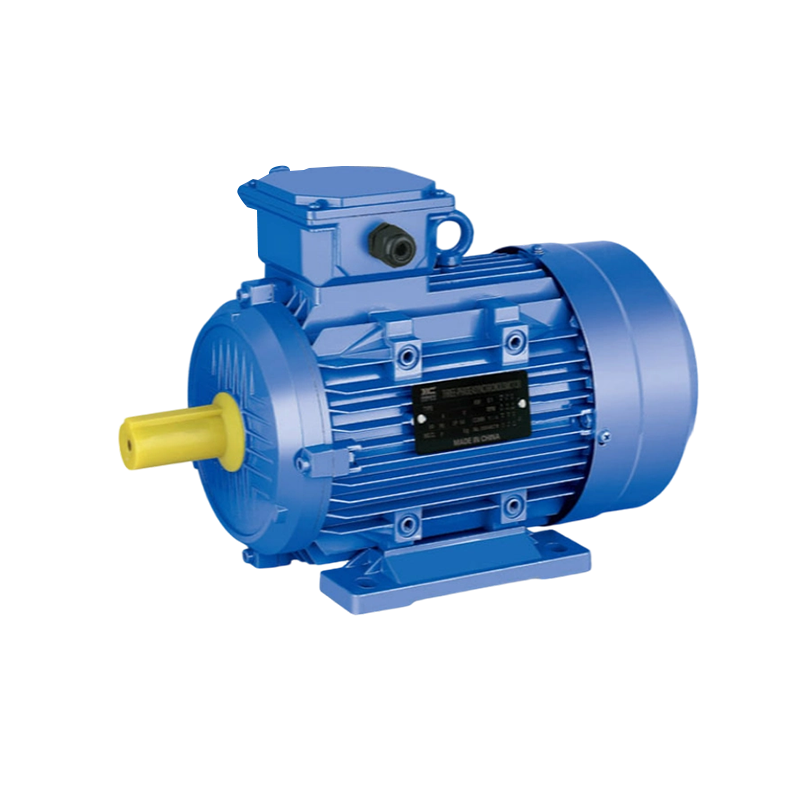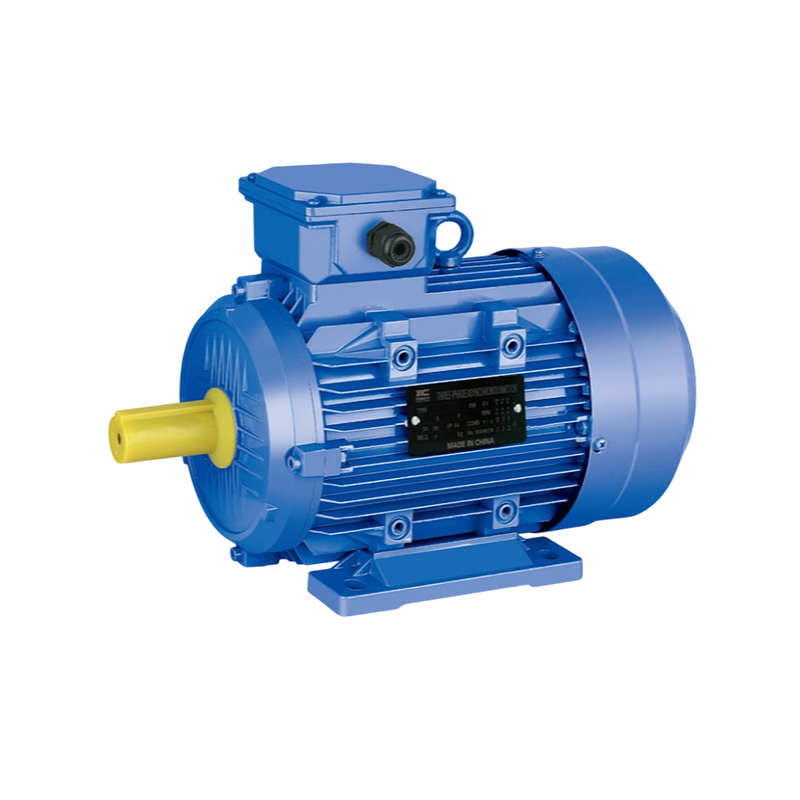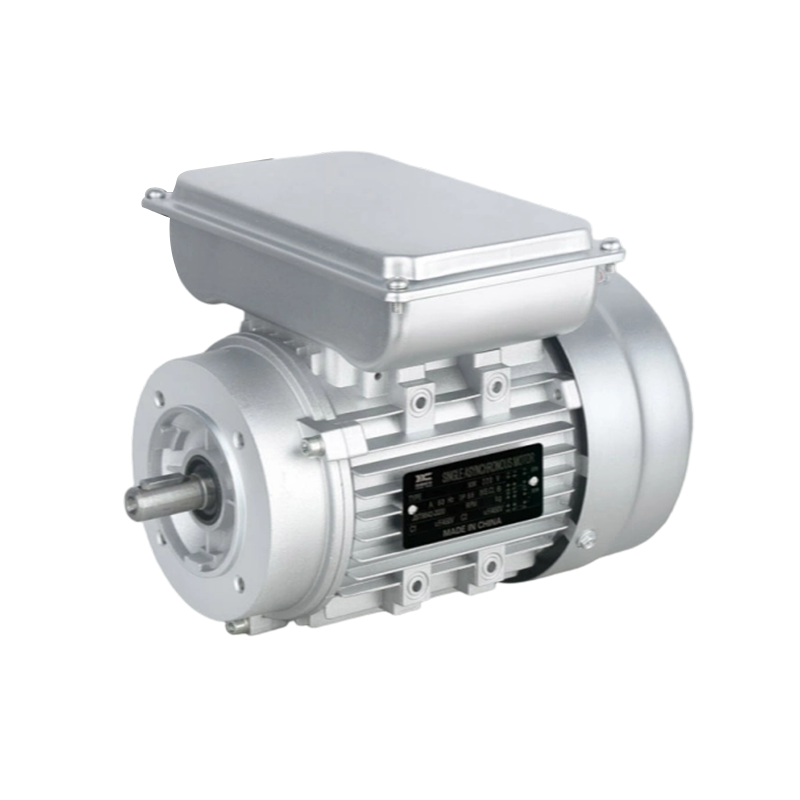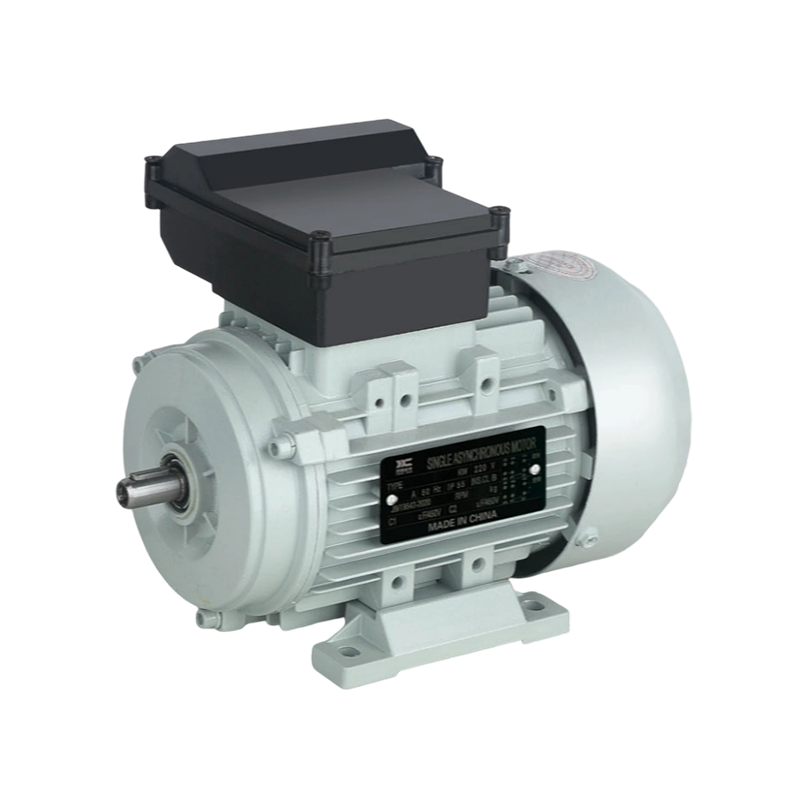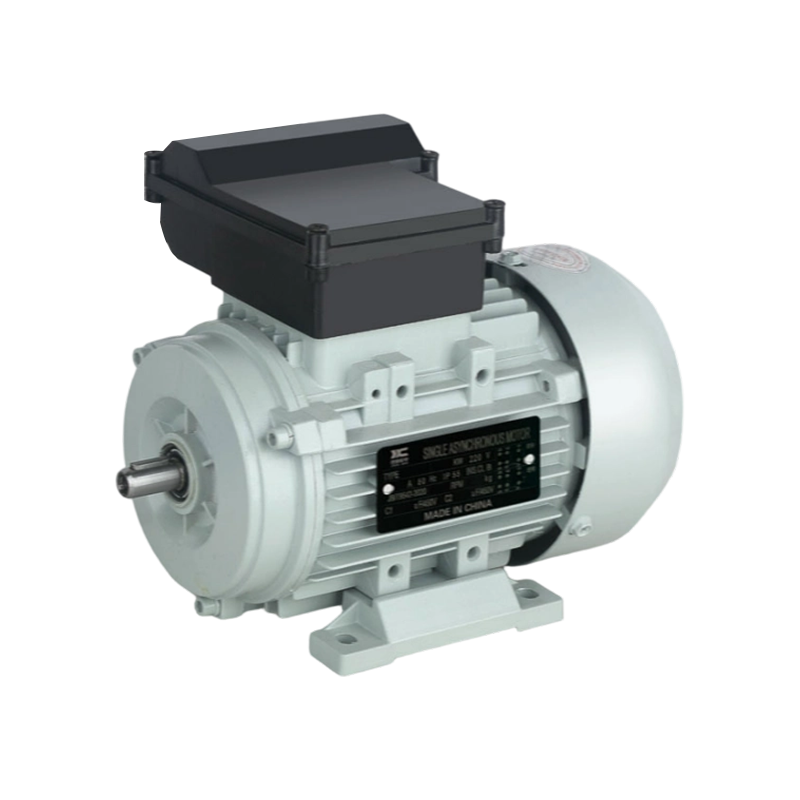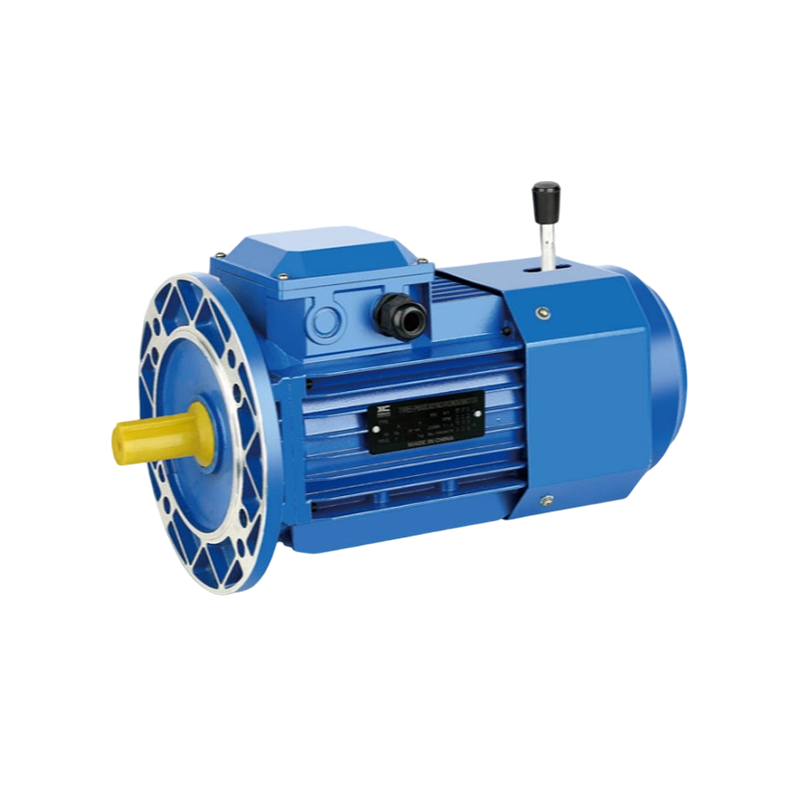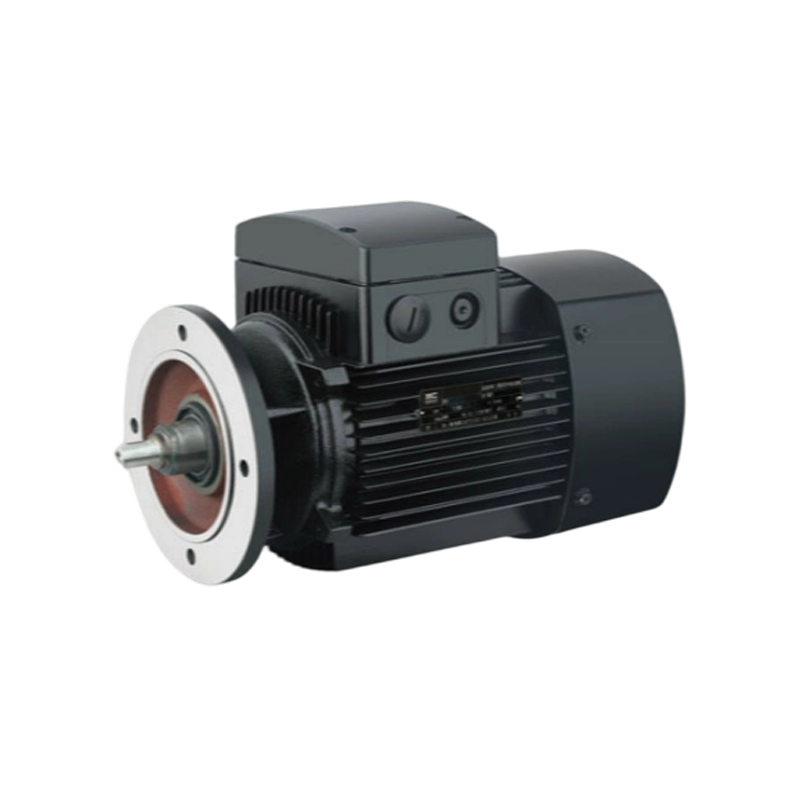

Умные устройства больше не являются простыми механизмами включения/выключения. Стиральные системы, интеллектуальные насосы, системы отопления, вентиляции и кондиционирования воздуха и адаптивные кухонные устройства теперь сталкиваются с постоянно меняющимися профилями нагрузки. Скорость, требуемый крутящий момент и потребление энергии колеблются в пределах коротких циклов. На этом фоне актуальность 1-фазный асинхронный двигатель становится практическим инженерным вопросом, а не устаревшим предположением.
Однофазные индукционные конструкции исторически доминировали в бытовых применениях из-за простых требований к инфраструктуре и экономической эффективности. Однако современные дискуссии больше сосредоточены на том, смогут ли они поддерживать стабильность в средах с цифровым управлением и переменной нагрузкой без потери целостности производительности.
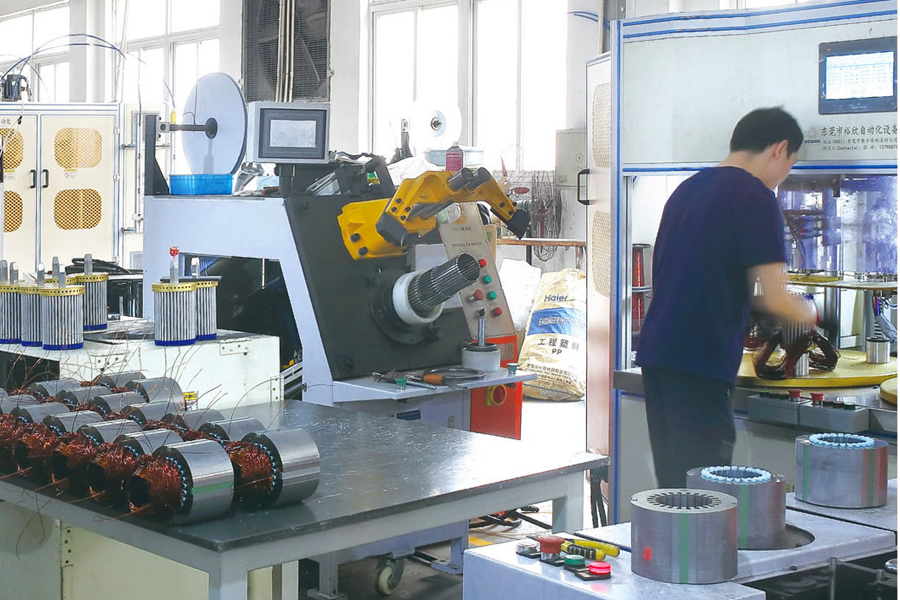
Исследования однофазных систем на основе индукции показывают, что скорость естественным образом немного снижается с ростом нагрузки, что является типичным асинхронным поведением, а не дефектом. Эта характеристика хорошо согласуется с профилями вентиляторов и насосов, но становится более заметной в интеллектуальных устройствах с точным приводом, требующих жесткого регулирования частоты вращения.
В умные устройства все чаще интегрируются микроконтроллеры и контуры обратной связи датчиков. Однако прямой контроль над 1-фазный асинхронный двигатель структурно ограничен по сравнению с многофазными системами.
В отличие от трехфазных систем, которые плавно реагируют на приводы с регулируемой частотой, однофазные асинхронные машины полагаются на структуры вспомогательных обмоток, которые не оптимизированы для непрерывной динамической модуляции. Это не исключает их удобства использования, но ограничивает операционное окно.
Энергоэффективность интеллектуальных приборов во многом зависит от поведения при частичной нагрузке, а не только от номинальной мощности. Однофазные асинхронные конструкции имеют тенденцию демонстрировать снижение эффективности в диапазоне низких нагрузок из-за потребности в реактивной мощности в цепи статора.
Несмотря на эти ограничения, компактные бытовые устройства часто работают с перерывами или в пределах предсказуемых циклов, что помогает компенсировать недостатки эффективности. Асинхронный принцип остается приемлемым, когда изменение нагрузки происходит по повторяющейся схеме, а не по случайным колебаниям.
Интеграция двигателей в подключенные устройства связана не только с выходным крутящим моментом, но также с совместимостью обратной связи и механической предсказуемостью. Однофазные индукционные конструкции создают механическую инерцию, которая может упростить некоторые задачи управления, но усложнить точную настройку.
Интеллектуальные устройства, в которых надежность важнее сверхточного управления, такие как устройства циркуляции воды или вентиляционные модули, продолжают находить практическую ценность в этой категории двигателей.
Управление температурным режимом становится критически важным в условиях переменной нагрузки, поскольку повышение температуры напрямую влияет на сопротивление обмотки и старение изоляции. Однофазные асинхронные системы часто полагаются на естественное охлаждение и компактные вентиляторные сборки, прикрепленные к валу ротора.
Типичные двигатели для небольших бытовых приборов работают в диапазоне от 10 Вт до 750 Вт и совместимы с напряжением питания 110 В или 230 В. Показатели эффективности сильно различаются в зависимости от конструкции полюсов и конфигурации конденсаторов, но выравнивание по классу IE становится все более распространенным даже в однофазных линейках продуктов.
Несмотря на ограничения, однофазная индукционная технология продолжает использоваться в конкретных интеллектуальных устройствах, где простота перевешивает требования к точности. Устройства, которые полагаются на предсказуемое механическое поведение, а не на управление с высоким разрешением, по-прежнему выигрывают от своей надежности и структуры затрат.
Такие приложения, как интеллектуальные вентиляционные вентиляторы, бытовые циркуляционные насосы для воды и базовые автоматизированные системы очистки, по-прежнему демонстрируют функциональное соответствие принципам асинхронной работы. Допуск на переменную нагрузку достигается скорее за счет конструкции системы, чем за счет сложности двигателя.
Общее инженерное направление демонстрирует скорее сосуществование, чем замену. Усовершенствованные устройства могут включать двигатели с электронным управлением для прецизионных зон, сохраняя при этом асинхронные однофазные блоки для вспомогательных подсистем или подсистем непрерывного режима работы.
Таким образом, вопрос жизнеспособности смещается от «необходимости замены» к «определению границ применения», где каждый тип двигателя занимает определенный функциональный уровень в интеллектуальных системах.
Ваш адрес электронной почты не будет опубликован. Обязательные поля отмечены*

Мы стремимся предоставить рынку и клиентам
высококачественная продукция и индивидуальные решения.
 Китай, провинция Чжэцзян, город Тайчжоу, город Вэньлин, поселок Даси, промышленная зона Чжаоян
 +86-13615760288
  +86-576-86398088


 English
 中文简体
中文简体 русский
 Español